

Exercise Home Cycle
Add a review FollowOverview
-
Founded Date August 11, 2002
-
Sectors Education Training
-
Posted Jobs 0
-
Viewed 30

Company Description
Why Nobody Cares About Excercise Bike
The Comprehensive Guide to Exercise Bikes: Choosing, Using, and Benefits
Stationary bicycle have ended up being an essential part of fitness routines for individuals seeking a practical and efficient way to improve their cardiovascular health. With the ever-increasing appeal of home exercises, comprehending the various types, advantages, and usage of stationary bicycle is essential for anyone thinking about including one to their fitness toolbox. This thorough guide will check out these components in information.
Types of Exercise Bikes
When it comes to stationary bicycle, there are 3 primary types: upright bikes, recumbent bikes, and spinning bikes. Each type has its special functions and deals with different fitness preferences.
1. Upright Bikes
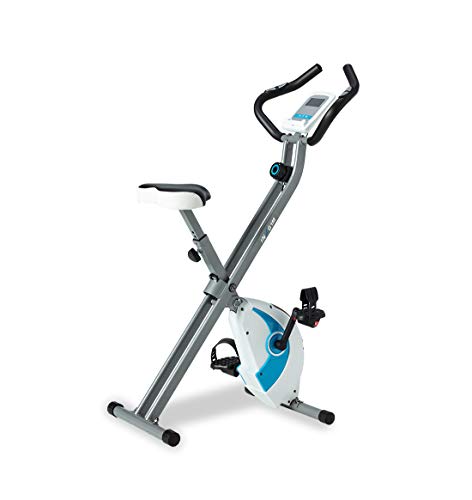
Upright bikes simulate the conventional outdoor cycling posture. They are created for a more intense workout and appropriate for individuals who wish to concentrate on structure leg strength.
Key Features:
- Compact style
- Adjustable seat height
- Integrated show console
2. Recumbent Bikes
Recumbent bikes use a more reclined seating position, providing additional comfort and support for the back. This type is ideal for newbies or people with joint concerns.
Secret Features:
- Larger, padded seat
- Back-rest for assistance
- Lower influence on joints
3. Spinning Bikes
Spinning bikes are designed for high-intensity exercises, frequently used in group classes. They permit a more vibrant cycling experience, replicating the experience of outdoor biking.
Secret Features:
- Heavy flywheel for resistance
- Adjustable handlebars and seat
- Cadence sensor for tracking performance
Advantages of Using Exercise Bikes
Incorporating an exercise bike into one’s fitness routine can yield an array of advantages. Here are some prominent benefits:
Cardiovascular Health
Utilizing a stationary bicycle regularly can strengthen the heart and improve circulation. This low-impact exercise can lower the risk of cardiovascular disease and boost overall cardiovascular fitness.
Weight Management
Biking is a reliable method to burn calories and fat. Depending on the strength of the exercise, users can burn hundreds of calories in just one session, aiding in weight reduction and maintenance efforts.
Low Impact
Exercise bikes are gentle on the joints, making them ideal for people recovering from injuries or those with joint conditions like arthritis.
Convenience and Accessibility
Having a stationary bicycle at home enables people to workout at their convenience, removing the need for gym subscriptions or take a trip time. It likewise enables flexibility in exercise regimens, accommodating various schedules.
Mental Health Benefits
Routine exercise, including biking, can considerably boost state of mind and minimize stress and anxiety. Stationary bicycle enable pleasurable exercises that can lead to the release of endorphins, enhancing mental health overall.
How to Choose the Right Exercise Bike
Choosing the suitable stationary bicycle is important to make sure convenience and effectiveness throughout workouts. Here are some essential aspects to think about:
Budget
- Determine how much you want to invest.
- Consider the long-term benefits of a quality bike over cheap options.
Area
- Examine the amount of space readily available for the bike.
- Measure dimensions to guarantee it will fit easily in your workout area.
Features
- Try to find adjustable seats and handlebars for comfort.
- Inspect the display console for functions like heart rate monitoring and exercise programs.
Resistance Levels
- Ensure that the bike offers different resistance levels to accommodate different fitness levels.
- Magnetic resistance is frequently quieter and more resilient than mechanical resistance.
Guarantee and Customer Support
- Investigate the warranty duration and protection for repairs.
- A reliable client support system is essential for dealing with any issues.
Utilizing an Exercise Bike Effectively
Taking full advantage of the benefits of a stationary bicycle requires embracing efficient practices. Here are some pointers to improve your biking experience:
- Proper Form: Maintain an upright posture, with hands gently gripping the handlebars and feet flat on the pedals.
- Warm-Up: Start each session with a five to ten-minute warm-up to prepare your muscles.
- Interval Training: Incorporate intervals of high-intensity cycling followed by healing durations to enhance calorie burn.
- Hydration: Keep water close by and take breaks as needed to stay hydrated.
- Consistency: Establish a constant workout schedule to achieve preferred fitness objectives.
Sample Weekly Exercise Bike Routine
Here’s a simplified weekly exercise strategy that mixes various strategies to enhance your biking experience:
| Day | Intensity | Period | Focus |
|---|---|---|---|
| Monday | Moderate | Thirty minutes | Steady-state biking |
| Tuesday | High-intensity | 20 minutes | Interval training |
| Wednesday | Low-intensity | 25 minutes | Healing ride |
| Thursday | Moderate | Thirty minutes | Hill climbing simulation |
| Friday | High-intensity | 25 minutes | Sprints in periods |
| Saturday | Rest | – | Active recovery (e.g., walking) |
| Sunday | Moderate | Thirty minutes | Long trip for endurance |
Often Asked Questions
1. How typically should I use a stationary bicycle?
Aim for at least 150 minutes of moderate-intensity or 75 minutes of high-intensity exercise weekly, spread across 3-5 days.
2. Is biking much better than running?
Both workouts work however biking is generally lower impact, making it suitable for individuals with joint problems or those recovering from injuries.
3. Can I lose weight using an exercise bike?
Yes, integrating a stationary bicycle into a fitness regimen can assist with weight-loss, combined with a balanced diet plan.
4. What should I wear throughout a bike workout?
Wear comfy athletic clothes and supportive shoes matched for indoor biking or spin sessions.
5. How do I preserve my exercise bike?
Routinely check and tighten up screws, tidy the bike after each use, and lubricate moving parts as directed by the maker.
Exercise bikes present a versatile and reliable option for cardiovascular exercises, catering to numerous fitness levels and choices. By understanding the types readily available, their benefits, and Best home exercise equipment practices for use, people can make informed decisions about integrating this devices into their fitness regimes. As health and wellness continue to acquire importance, exercise bikes stick out as a practical service for those seeking to boost their physical wellness.
